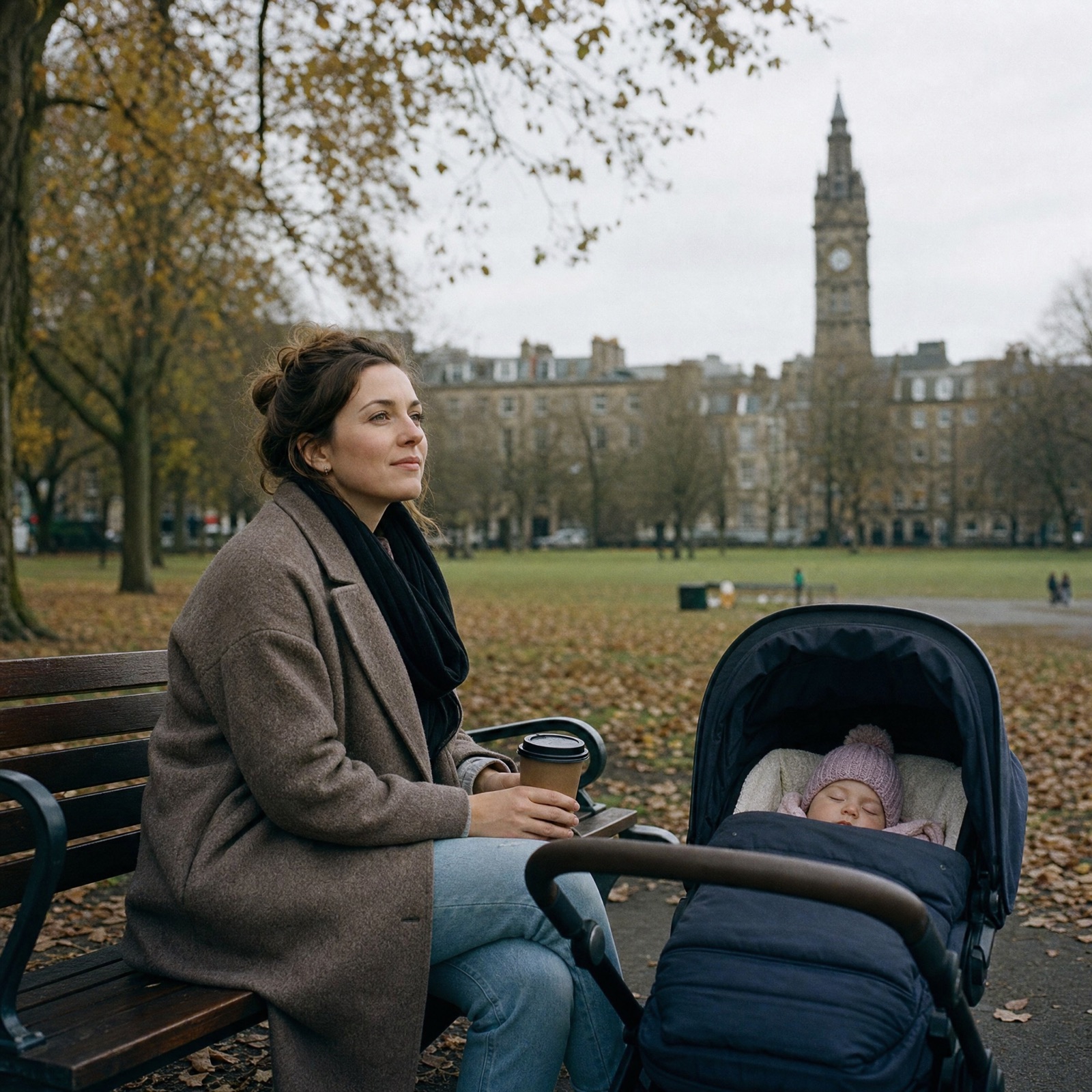
It is easy to talk about stop-smoking support in the abstract — the research, the methods, the statistics. What is harder to capture, and what matters most, is what it actually looks like when someone in your own community decides to change. When they show up, uncertain and a little defensive, and then come back the following week, and the week after that, until one day they do not need to come back because they have genuinely stopped.
Over the past year, Vibrant Health Advocates – Marenne has been running peer cessation groups for residents of Linlithgow and the surrounding area. The people who have come through our doors have been teachers, tradespeople, retirees, parents of young children, people in their twenties and people in their sixties. Some had smoked for five years. Some had smoked for forty. What they shared was a genuine desire to stop, and a willingness to try doing it differently from all the times before.
One of the things that surprised many participants early on was how much practical knowledge existed in the room — not just from the stop-smoking advisor, but from each other. The person who had worked out that brushing their teeth immediately after dinner broke the post-meal cigarette ritual. The person who had identified that their Friday afternoon craving was almost entirely social, tied to a specific colleague's break-time habit, and who had made a simple but effective plan to change that routine. These are the kinds of insights that do not appear in leaflets. They emerge from honest conversation between people who are living through the same thing.
Not everyone who joined a group quit successfully on their first run. Some stepped back for a few weeks and returned. Some are still in the process. That is not failure — it is reality, and it is important to say so plainly. The average person who eventually quits smoking for good has made multiple previous attempts. Each attempt, even an incomplete one, builds knowledge about your own triggers, your own vulnerabilities, and your own resilience. The peer group holds that knowledge with you and helps you use it the next time.
The town of Linlithgow offers something that not every place can: a genuine sense of neighbourhood. People who meet in our group on a Wednesday evening will pass each other on the High Street or at the market. That continuity of contact is not something we engineered — it is something we inherited from the community itself, and it works in our favour. Accountability does not end when the session does.
As we look ahead to the next twelve months, we are expanding our session times to make attendance easier for people who work shifts or have caring responsibilities. We are also developing closer links with local GPs so that residents who are advised to quit by their doctor have a clear, warm route into peer support. The goal has not changed: to make Linlithgow a community where fewer people smoke, more people get real support when they decide to stop, and where quitting is something you do with your neighbours, not in spite of them.
"Accountability does not end when the session does. The town of Linlithgow offers something that not every place can: a genuine sense of neighbourhood."
 Linlithgow Loch — our home
Be part of the next year
Our groups are growing. Whether you want to quit, support someone quitting, or volunteer your time as a peer facilitator, there is a place for you here. Get in touch to find out more.